
Understanding the psychology of gambling what drives our bets
The Allure of Risk and Reward
At the heart of gambling lies the irresistible allure of risk and reward, a dynamic that taps into fundamental human psychology. The thrill associated with betting comes from the potential to win, which often overshadows the risks involved. This excitement triggers the brain’s reward system, releasing dopamine, a neurotransmitter linked to pleasure. Consequently, the more intense the gamble, the stronger the brain’s response, encouraging players to chase that euphoric feeling over and over. For instance, platforms like Topaz33 offer a wide range of games that capitalize on this psychological thrill.

Moreover, the concept of uncertainty plays a crucial role in gambling. Players are often drawn to the unpredictability of outcomes, which can foster a sense of adventure. This uncertainty fuels a psychological phenomenon known as “variable reinforcement,” where the sporadic nature of wins reinforces the gambling behavior, making it difficult for players to walk away. The anticipation of potential success often leads individuals to overlook the financial downsides, thus perpetuating a cycle of increased betting.
Additionally, societal influences amplify the appeal of gambling. Social environments often normalize betting behavior, framing it as an entertaining activity rather than a risky endeavor. This cultural acceptance, paired with media portrayals that romanticize gambling success, shapes individual perceptions and motivations. As people see others winning big, it creates a desire to replicate that success, driving them to engage in betting activities more frequently.
The Illusion of Control
A significant psychological aspect of gambling is the illusion of control. Many players believe they can influence the outcome of games, particularly in activities like poker or sports betting. This misconception fosters a sense of empowerment, making individuals feel that their skills can sway results. Cognitive biases, such as the gambler’s fallacy, contribute to this belief, where players think that past outcomes can predict future results, leading them to make irrational betting decisions.
This illusion is particularly potent in games where skill is involved, as players often attribute wins to their abilities, thus reinforcing their engagement. For instance, in poker, players analyze opponents and strategies, which can lead them to believe that their decisions directly impact the game’s outcome. However, while skill can play a role, chance remains a significant factor, creating a complex interplay between skill perception and the randomness of results.
Additionally, this belief in control can have detrimental effects. As players become more entrenched in the illusion, they might ignore the risks associated with gambling and continue to place larger bets, convinced of their ability to recover losses. This mindset can spiral into problematic behavior, as individuals chase losses in hopes of regaining control over their financial situations. The resulting addiction can severely impact both personal finances and mental well-being.
Emotions and Gambling Decisions
The emotional landscape of a gambler profoundly affects their decisions. Emotions such as excitement, anxiety, and frustration can cloud judgment, leading to impulsive betting behaviors. During moments of high emotional arousal, individuals may disregard rational thinking, opting to place larger bets than they typically would. For example, winning can trigger elation, prompting players to double down, while losses can lead to desperate attempts to win back money, resulting in further financial loss.
Moreover, the concept of “loss aversion” plays a pivotal role in gambling behavior. Research suggests that the pain of losing is more impactful than the pleasure of winning the same amount. This psychological bias leads individuals to chase losses, trying to recover what they’ve lost instead of recognizing when to stop. Such behavior can often lead to a compounding cycle of betting, as the initial loss triggers a desire to regain that lost value, regardless of the ongoing financial risk.
In contrast, positive emotions can have a stabilizing effect on gambling decisions. When players are in a good mood or feeling fortunate, they might place more measured bets, focusing on enjoyment rather than the potential for significant wins. Conversely, negative emotions can push individuals toward impulsive behaviors, resulting in irresponsible betting. Understanding the emotional triggers that lead to these patterns can help in creating healthier gambling habits and promote responsible betting practices.
The Role of Environment and Social Influence
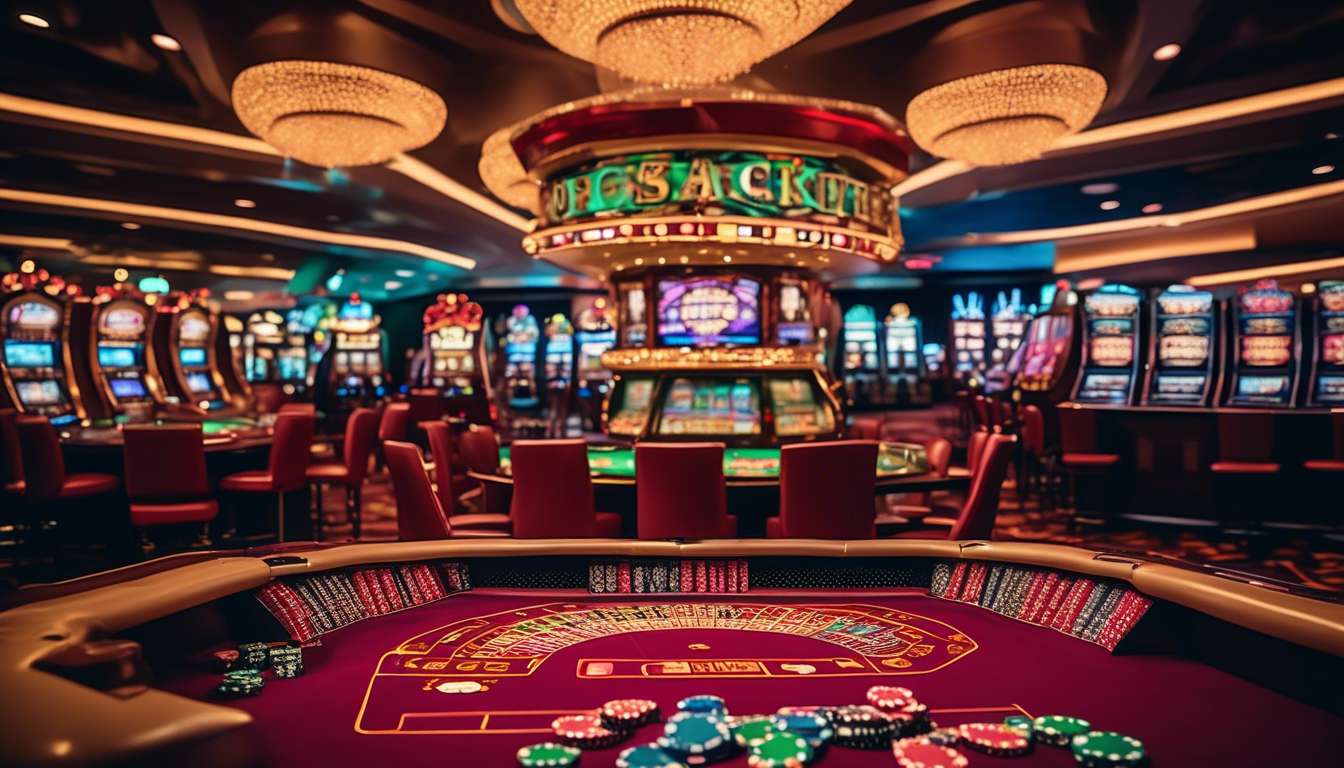
The environment in which gambling takes place can significantly influence behavior. Casinos and betting establishments are designed to create a sensory-rich experience that heightens excitement and encourages prolonged play. From bright lights and engaging sounds to free drinks and lavish decor, these elements create an atmosphere that entices players to stay and bet longer. The strategic placement of machines and tables can also lead to increased gambling, as players may feel more inclined to participate in a lively setting.
Social influences further amplify gambling behaviors, as friends and family can affect individual decisions. The presence of others can lead to a sense of belonging and communal enjoyment, encouraging people to join in on the betting experience. Conversely, witnessing a friend win can create pressure to participate, leading individuals to gamble beyond their means. This social aspect can blur the lines between entertainment and compulsion, making it challenging for some to recognize when their gambling has become problematic.
Furthermore, peer pressure in social gambling settings can lead to risky behaviors. When surrounded by friends who encourage more significant bets, individuals may feel compelled to follow suit. The desire to fit in or impress others can overshadow personal financial limits, prompting decisions that may not align with one’s long-term goals. Acknowledging these social dynamics is essential for fostering a responsible gambling culture and understanding the psychological underpinnings of betting behavior.
Topaz33: A Responsible Gaming Experience
Topaz33 offers a unique online gambling experience that recognizes the intricate psychology of gambling. Catering specifically to Australian players, this platform provides a vast selection of over 2,600 games, including slots, live dealer options, and poker. Understanding the motivation behind gambling, Topaz33 promotes responsible gaming practices, ensuring that players have access to the tools and resources necessary for a safe and enjoyable experience.
The website emphasizes user-friendly navigation and fast payouts, allowing players to immerse themselves in gameplay without distractions. With enticing welcome bonuses, such as up to A$300, Topaz33 creates an engaging environment while encouraging responsible betting. Ongoing promotions further enhance the gaming experience, motivating players to enjoy their time without the pressures often associated with gambling.
In conclusion, Topaz33 is dedicated to fostering a secure and responsible gambling culture. By incorporating accessible support options and promoting awareness of gambling behaviors, the platform aims to create a balanced environment where enjoyment and responsibility coexist. Players can take advantage of the vast game selection while remaining mindful of their gaming habits, ultimately contributing to a healthier gambling experience.